Do I Qualify for a USDA Loan? A Simple Eligibility Checklist
Want to buy a home with no down payment? See how USDA loans work, who qualifies, and how to check your address and income before you shop.
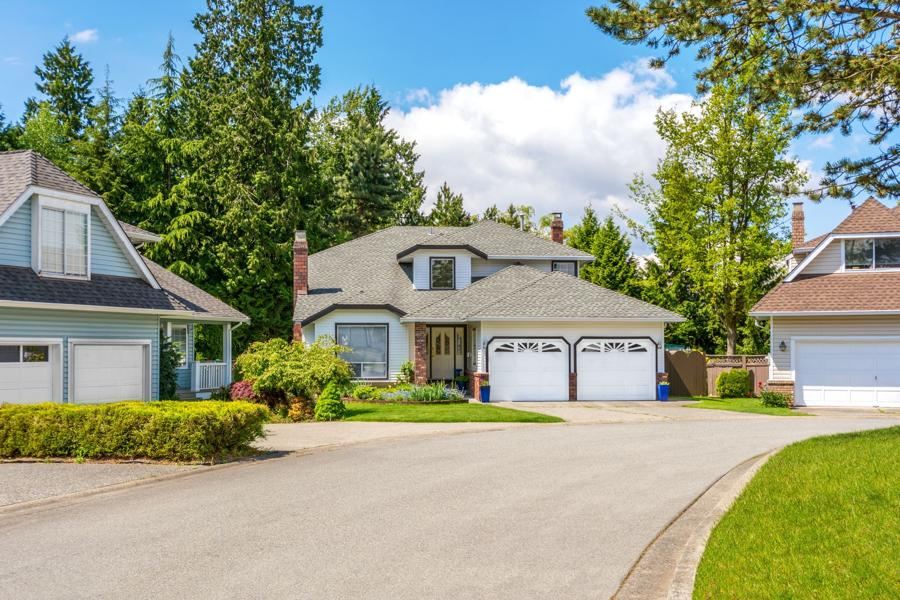
You want to buy a home, but saving a big down payment feels like it's years away. If the home you have in mind is in a small town, a suburb, or out in the country, a USDA loan may let you Purchase with no down payment at all.
The catch is that USDA loans have rules other loans don't. The home has to be in an eligible area, your household income has to fit under a local limit, and the home has to be where you live. Here's how each rule works, so you can tell in a few minutes whether it's worth a closer look.
What is a USDA loan?
A USDA loan is a mortgage backed by the U.S. Department of Agriculture's Rural Development program. The version most Home Buyers use is the USDA Guaranteed loan. You get the loan through a mortgage company, and USDA guarantees part of it. That guarantee is what makes a no-down-payment loan possible.
USDA loans aren't only for farms, and they aren't only for first-time Home Buyers. Many people are surprised to learn the neighborhood they're already looking at qualifies.
The USDA eligibility checklist
1. Is the home in a USDA-eligible area?
This is the first thing to check, because if the address doesn't qualify, nothing else matters. USDA publishes an eligibility map, and many small towns and suburban areas may qualify, not just open farmland.
Tip: Check the exact address, not just the town. Eligibility can change from one street to the next, and USDA updates the map from time to time. You can look up an address on USDA's property eligibility site, or send it to us and we'll check it for you before you write an offer.
2. Does your household income fit the local limit?
USDA Guaranteed loans are meant for low- to moderate-income households. Your household income generally can't be more than 115% of the median income for your county, and the limit goes up with household size.
Here's the part that trips people up: USDA counts the income of every adult who will live in the home, not just the people on the loan. A working adult child or a spouse who isn't applying still counts toward the household limit. Some deductions, such as for dependent children or childcare, can bring the number down.
There are really two income questions, and they're separate:
- Eligibility: Is total household income at or under the local limit?
- Repayment: Do the borrowers on the loan earn enough, steadily enough, to afford the payment?
You need to pass both.
3. Will the home be your primary residence?
USDA loans are for the home you'll live in. They can't be used for a vacation home, an investment property, or a home that produces income, such as a working farm.
4. Is your credit and budget in good shape?
USDA doesn't publish one hard minimum credit score, but many lenders look for a score around 640 for the simplest approval path. A lower score doesn't always mean no, because some files can still be reviewed by an underwriter by hand.
Lenders also look at your debt-to-income ratio (DTI), which is how much of your monthly income goes to debt payments. If you want to see how that's figured, read What is DTI and How It Affects Your Mortgage Application.
5. Can you show steady income and the usual documents?
Expect the same basics as most mortgages: pay stubs, W-2s or tax returns, bank statements, and an explanation for any large deposits. If you're self-employed or your income varies, that's okay. It may just take more paperwork.
What does a USDA loan cost?
No down payment doesn't mean no cost, and it's better to know the costs up front.
- Guarantee fees: USDA charges an upfront guarantee fee, which can usually be rolled into the loan, plus an annual fee that's split into your monthly payment. USDA sets these fees each year, so we'll give you current numbers on your Loan Estimate instead of a guess here.
- Closing costs: You'll still have closing costs. Depending on the appraisal and the contract, some of them may be financed, or the seller may agree to pay part of them. Our guide to closing costs explains what's typically included.
- Timeline: USDA loans have an extra review step with USDA before closing, so build a little more time into your closing date.
USDA, FHA or Conventional: which fits you?
There isn't one right answer. It depends on where you're buying, your income, and your savings.
- USDA may fit if the home is in an eligible area, your household income is under the limit, and you'd like to buy without a down payment.
- FHA may fit if you want a small down payment and more flexible credit guidelines, and the home isn't in a USDA area or your income is over the USDA limit.
- Conventional may fit if you have stronger credit or more saved, or you're buying a second home or investment property.
For a side-by-side look at the other two, read Which One Is Better? An FHA or Conventional Loan?. Not sure you'll qualify for USDA? You may still have options for help with the money you need to bring to closing; see Who Qualifies for Down Payment Assistance?
Common USDA mistakes to avoid
- Writing an offer before checking the address. Check eligibility first.
- Forgetting about other adults in the home. Their income counts toward the household limit.
- Assuming you make too much. The limit is based on your county and household size, and allowed deductions can make a real difference.
- Planning a tight closing date. Leave room for USDA's review.
Your next step
The quickest way to know whether a USDA loan fits is to check two things together: the address you're interested in, and your household income. We'll do both for you and show you how USDA compares with FHA and Conventional options for your situation.
Learn more on our USDA Loans page, or call Trust Home Financial at (888) 392-5321 to talk it through. We're Helping Home Buyers across multiple states find the loan that fits their goals.
Trust Home Financial LLC | NMLS #2567578 | nmlsconsumeraccess.org | Equal Housing Opportunity. All loans are subject to approval. Program guidelines, income limits, property eligibility and fees are set by USDA and can change. This article is for general information and is not a commitment to lend.